By Sharon Stewart
These photographs and essay were published in the SeedBroadcast agri-Culture Journal #24
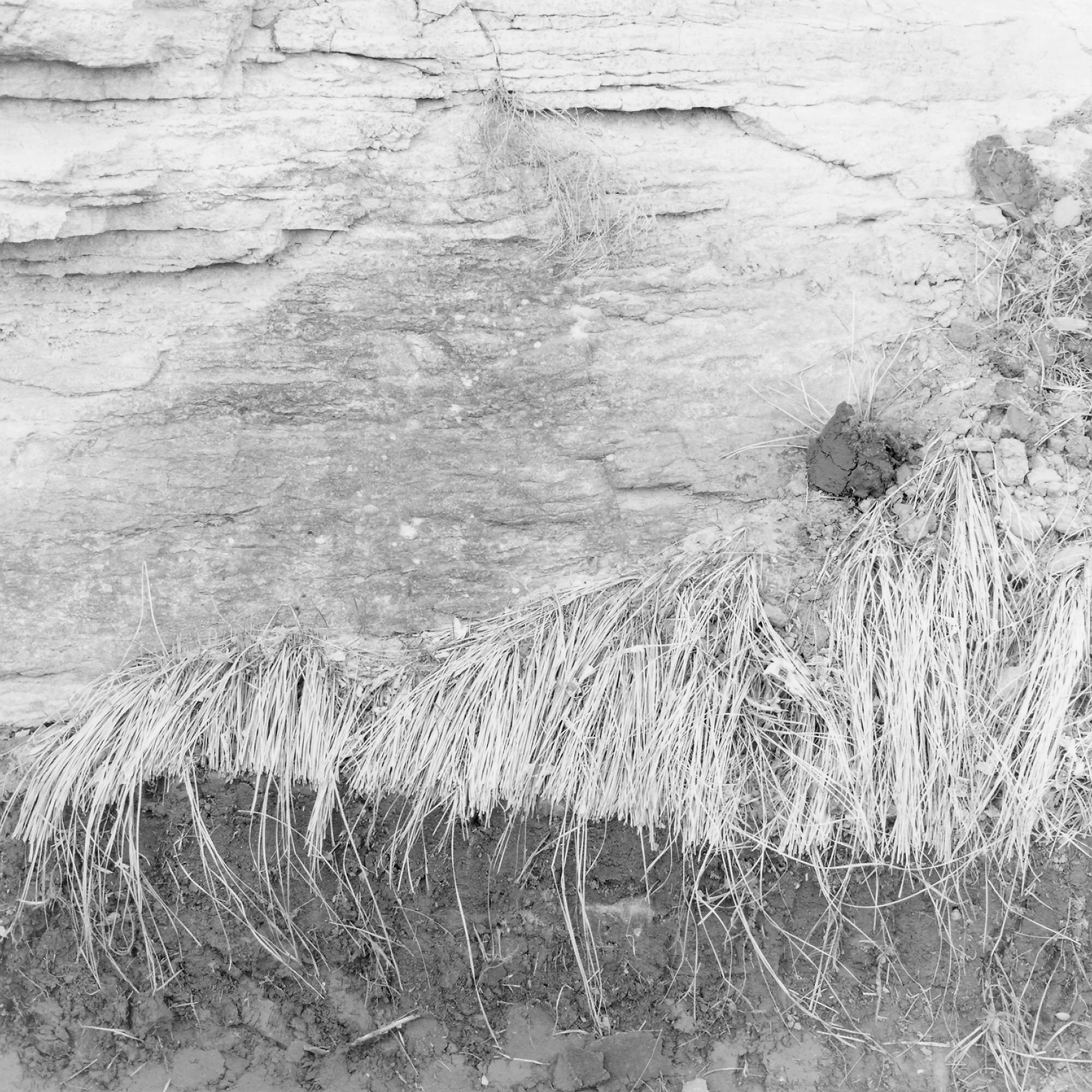
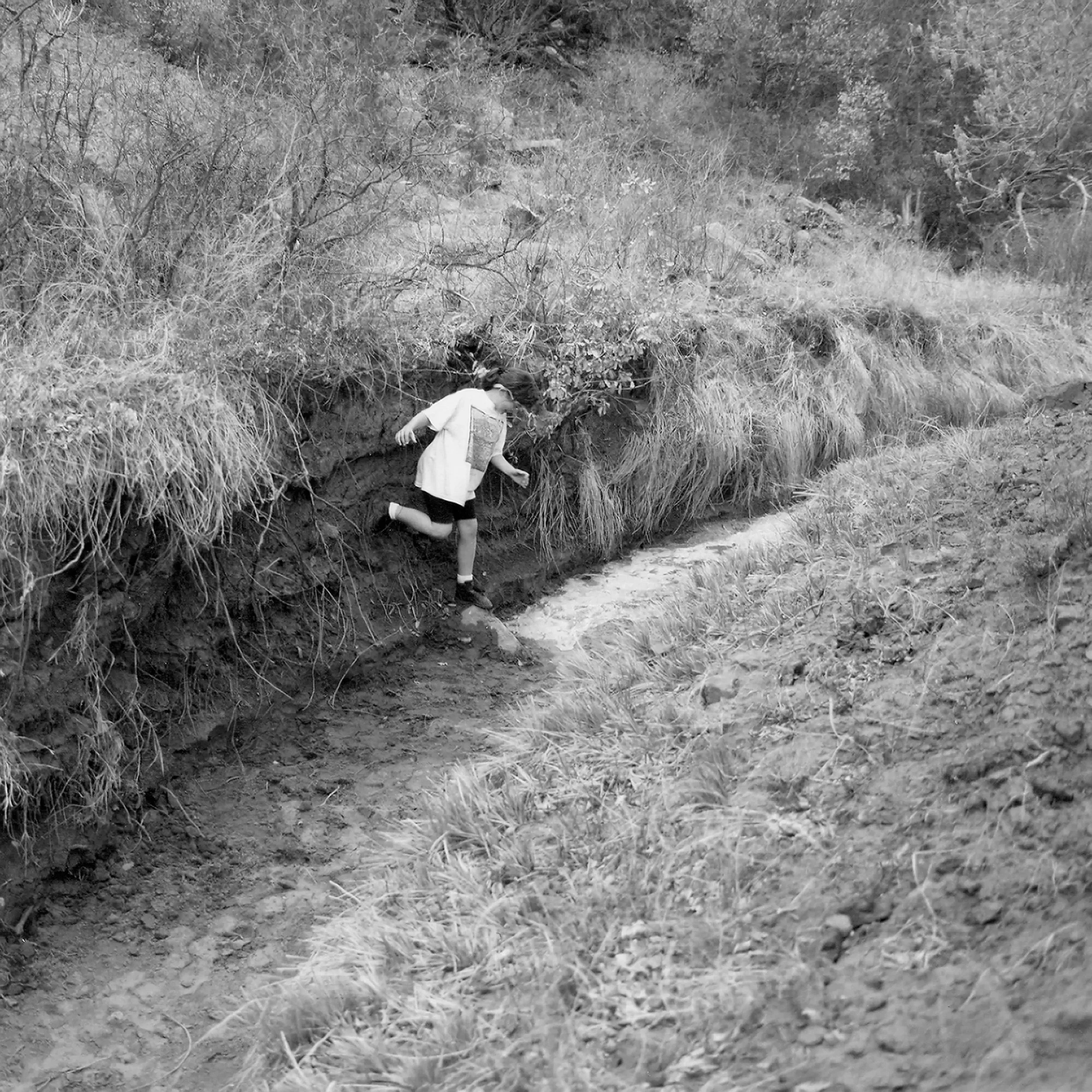
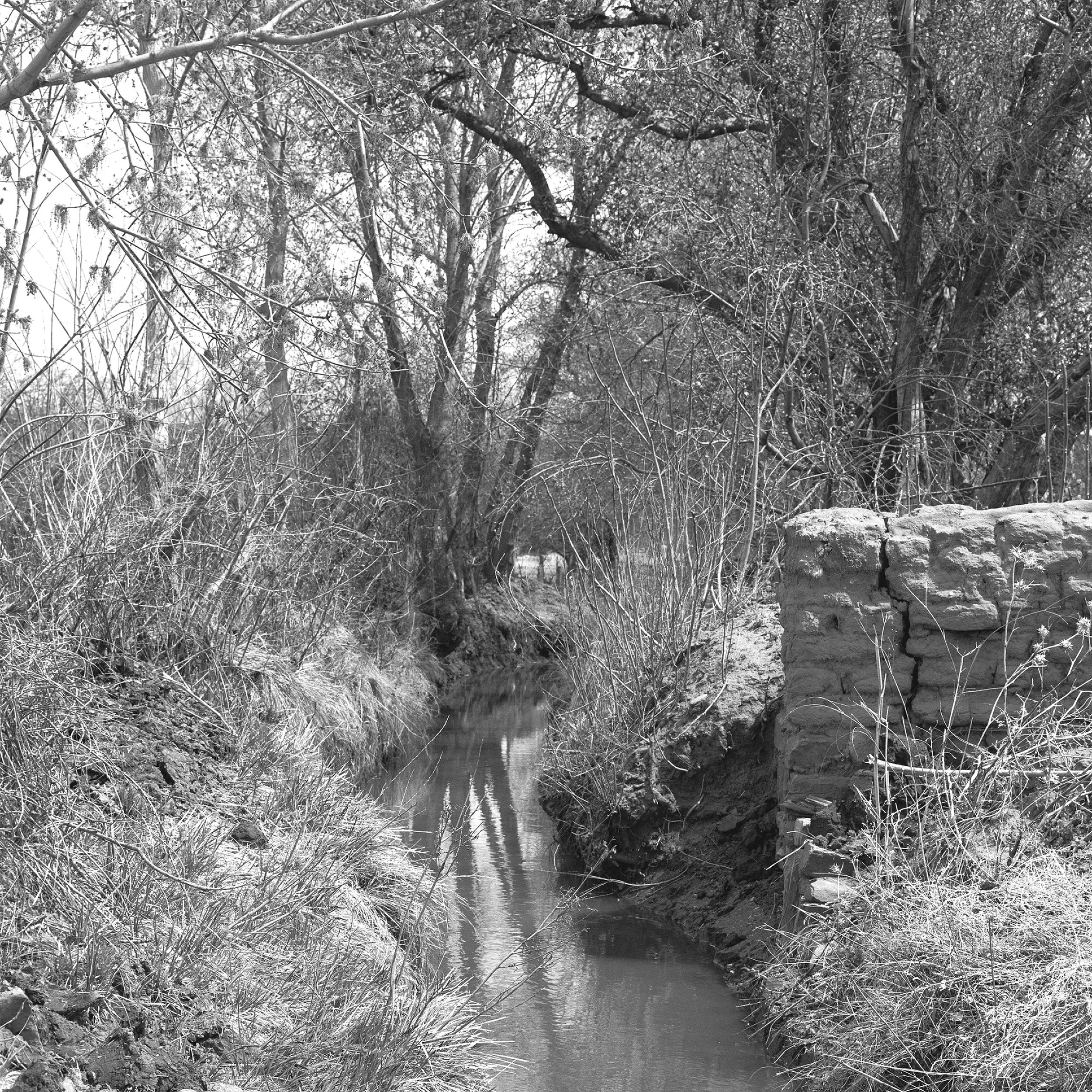
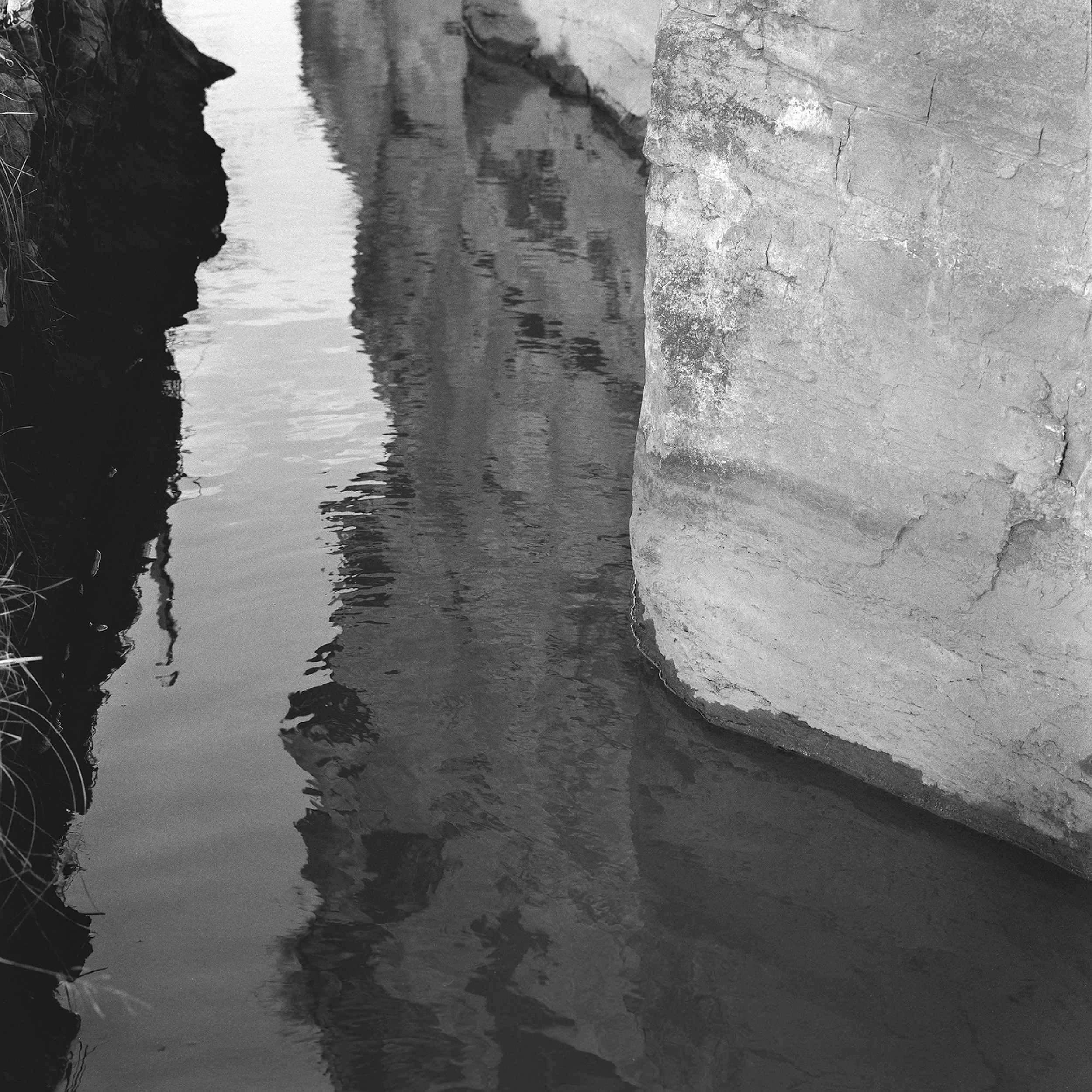
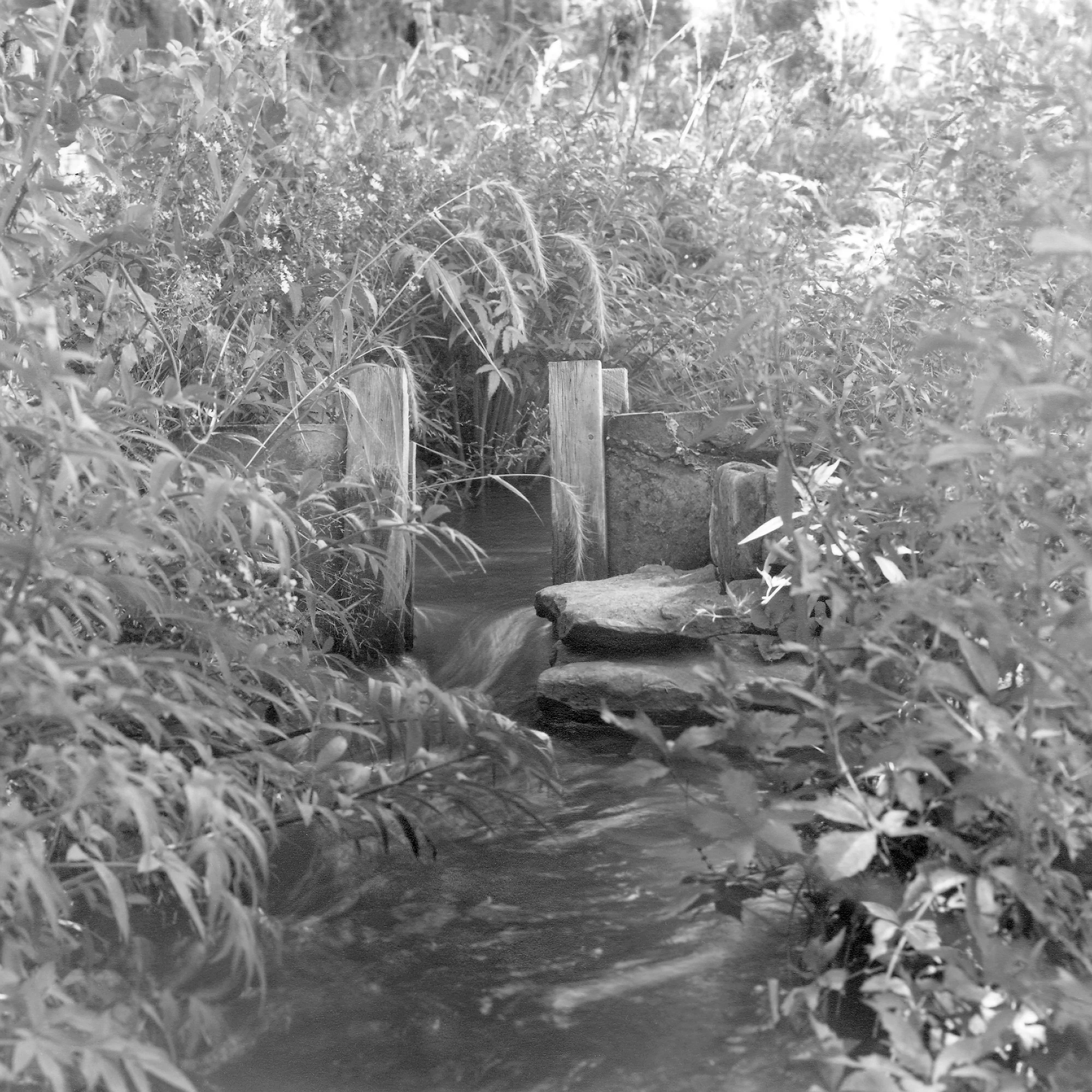
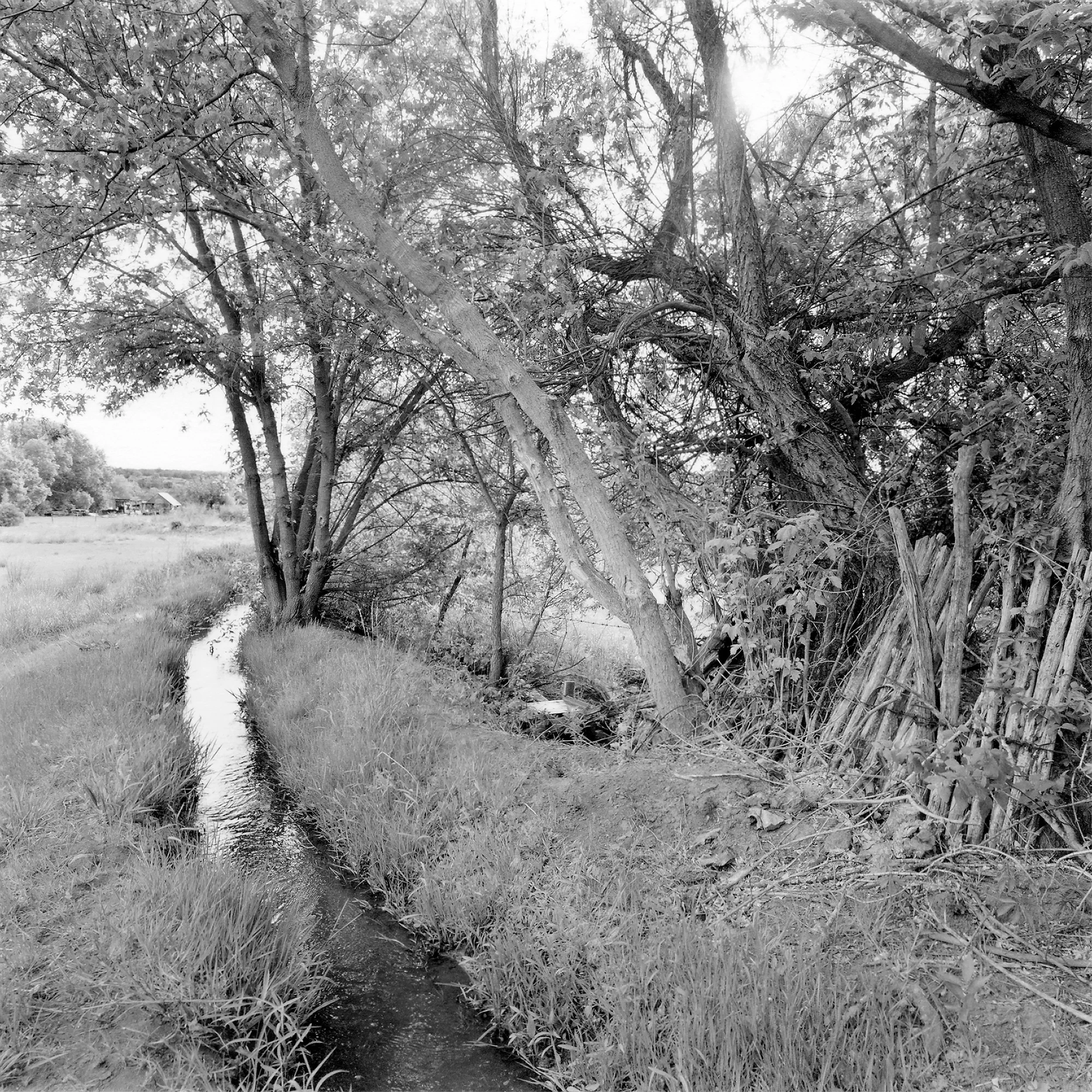
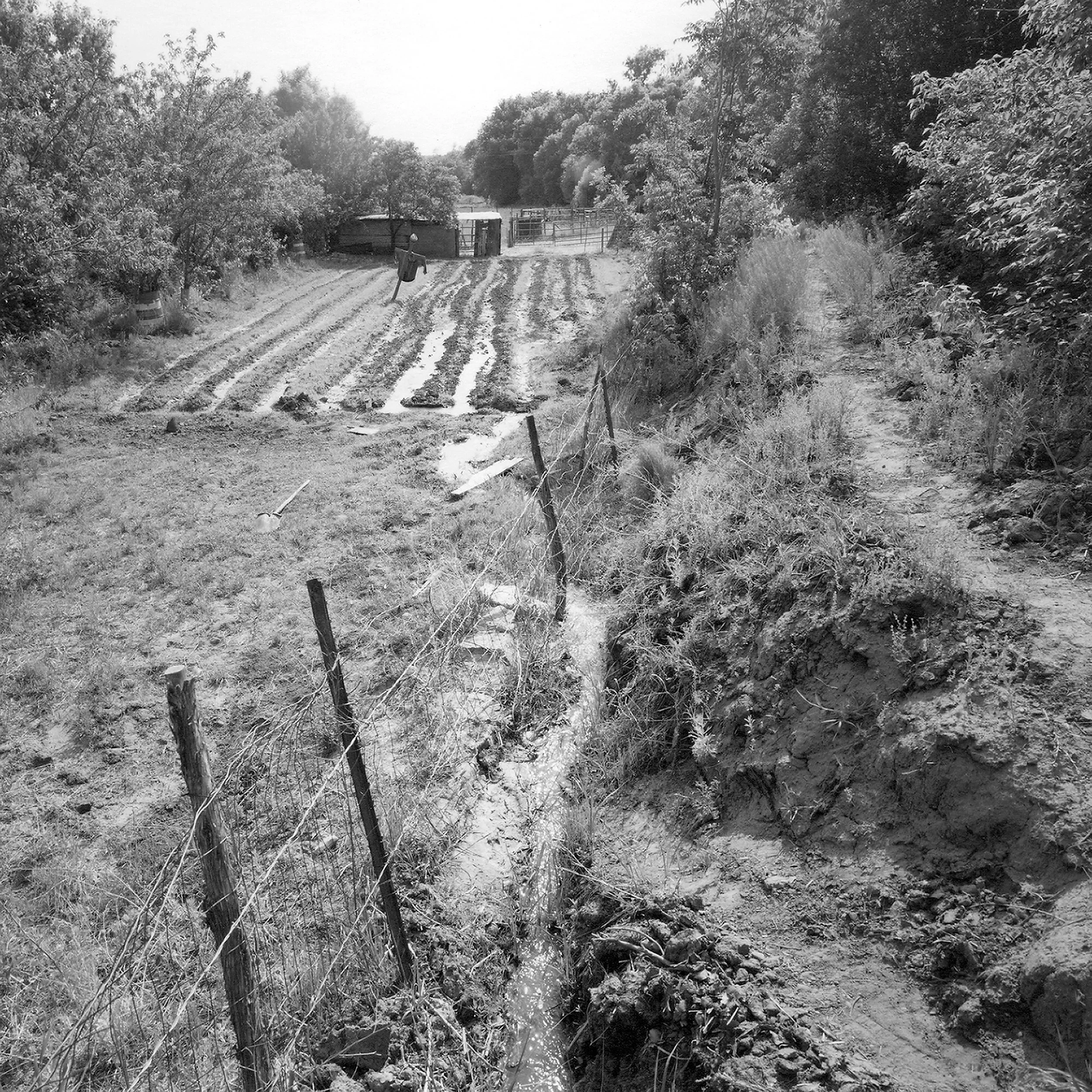
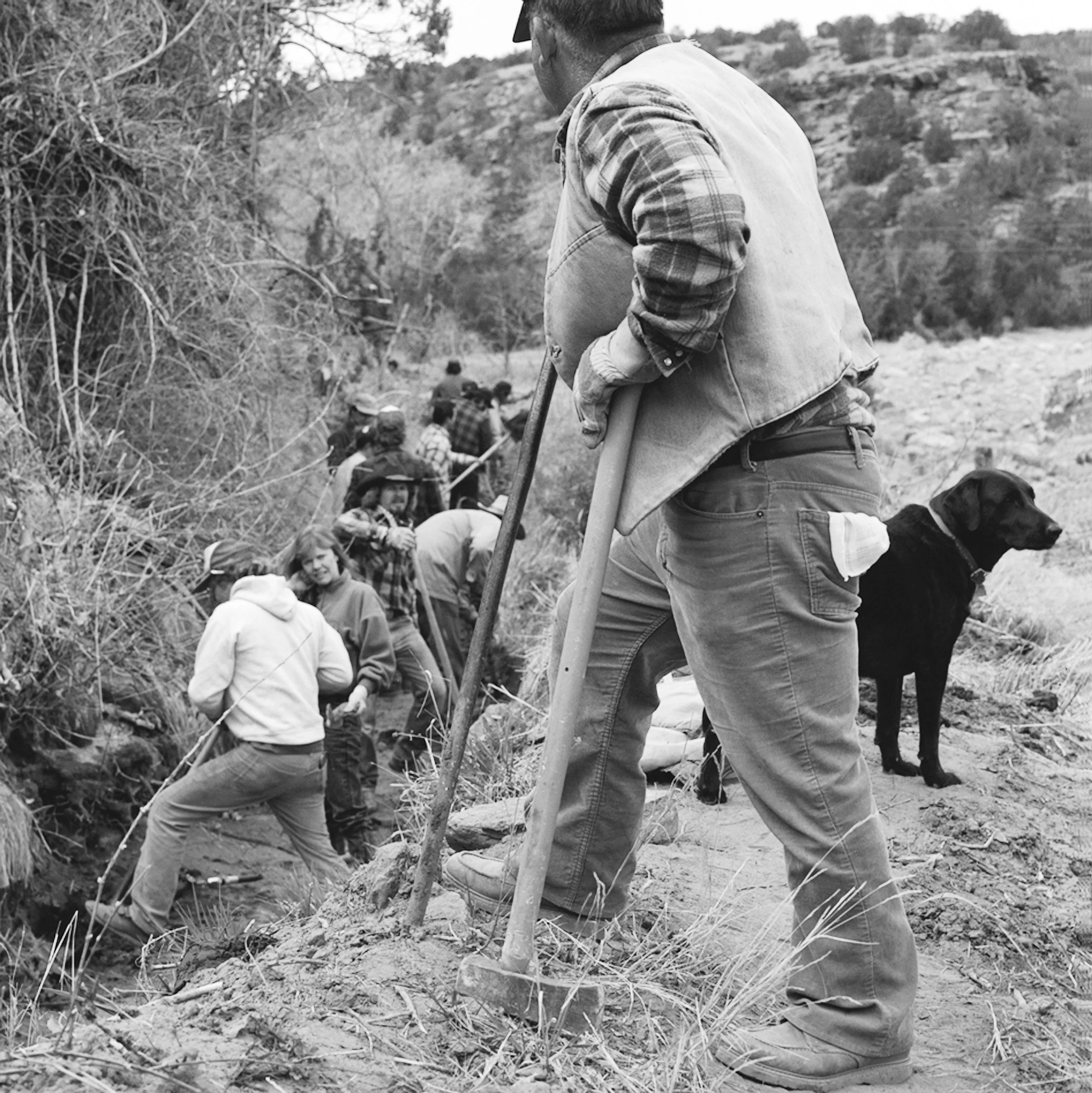
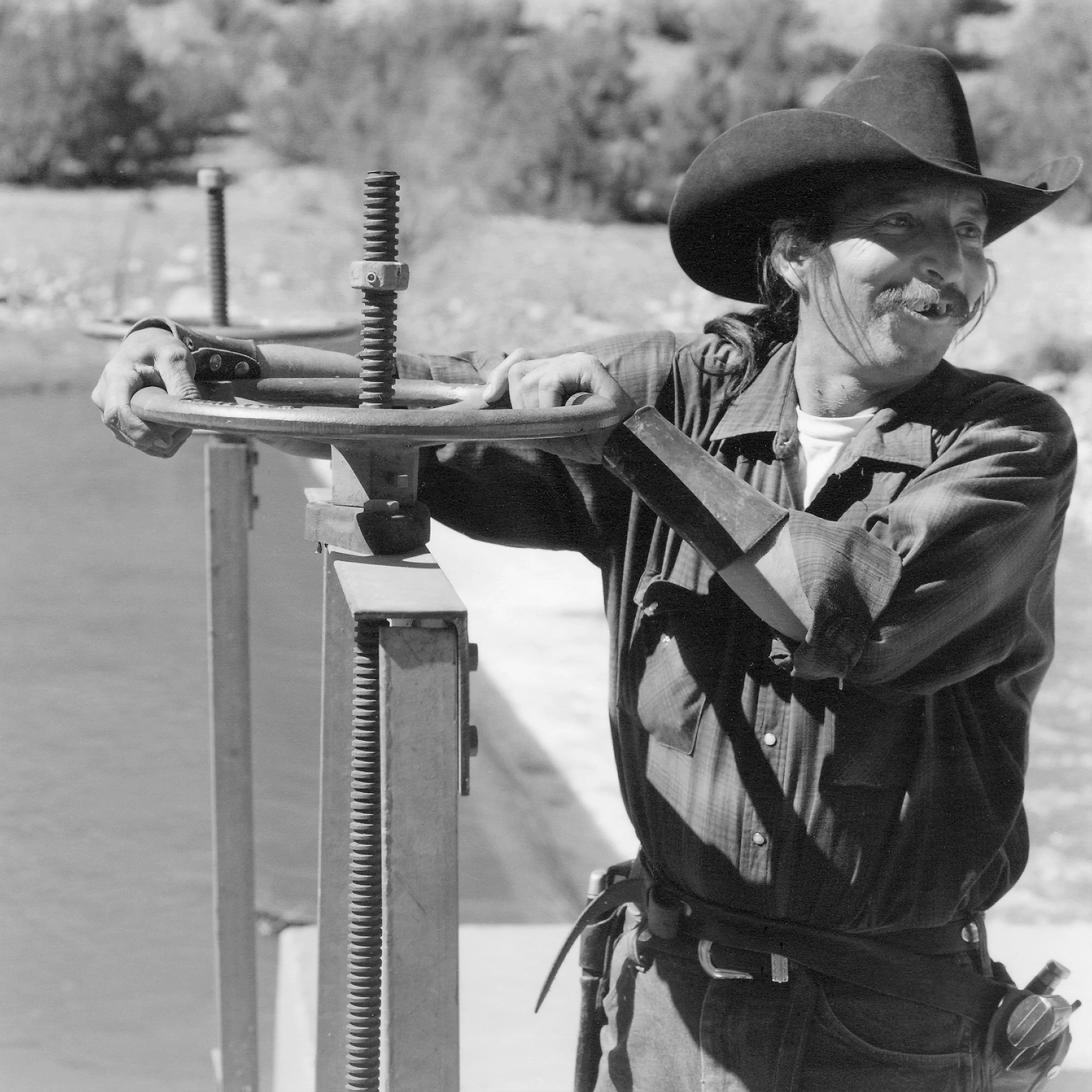
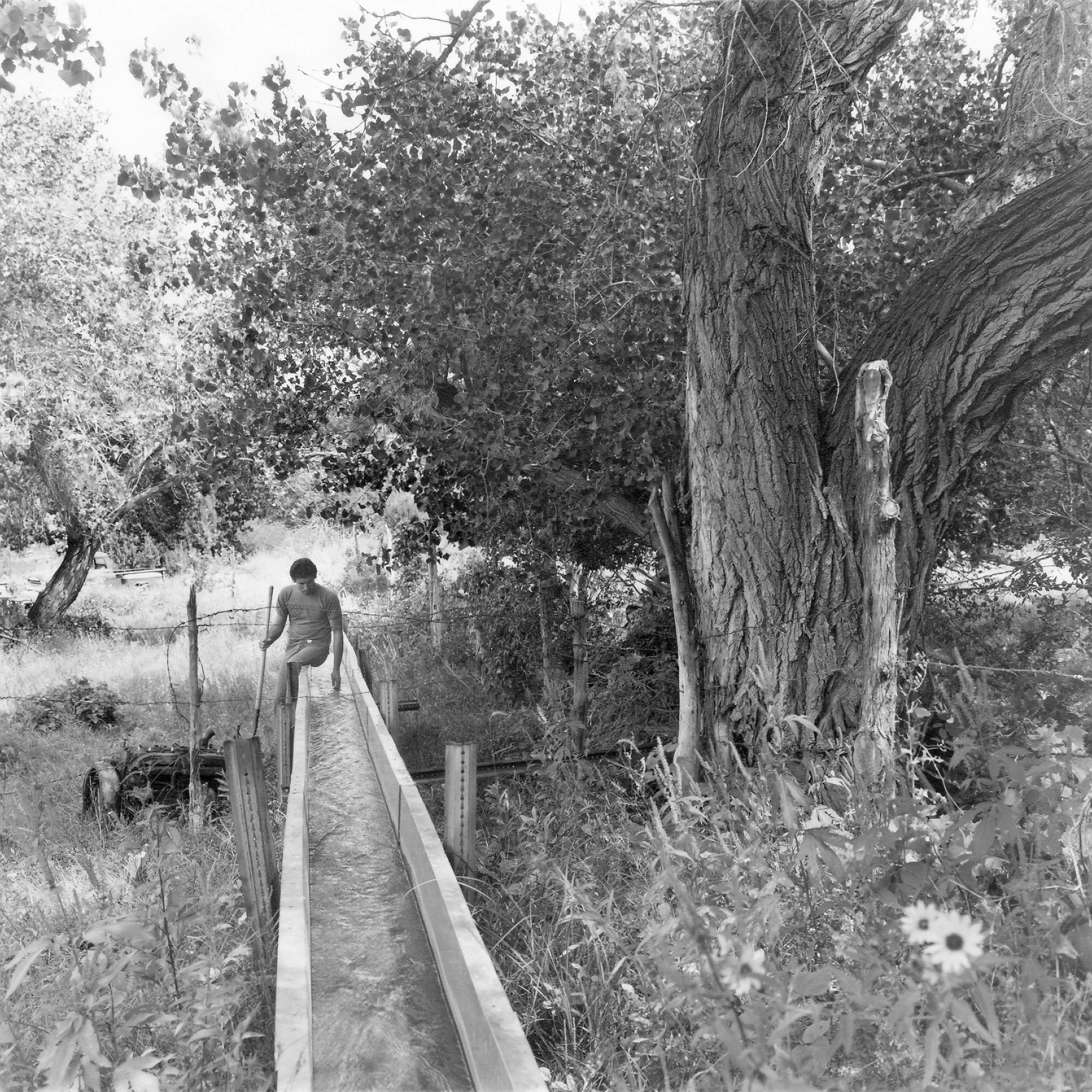
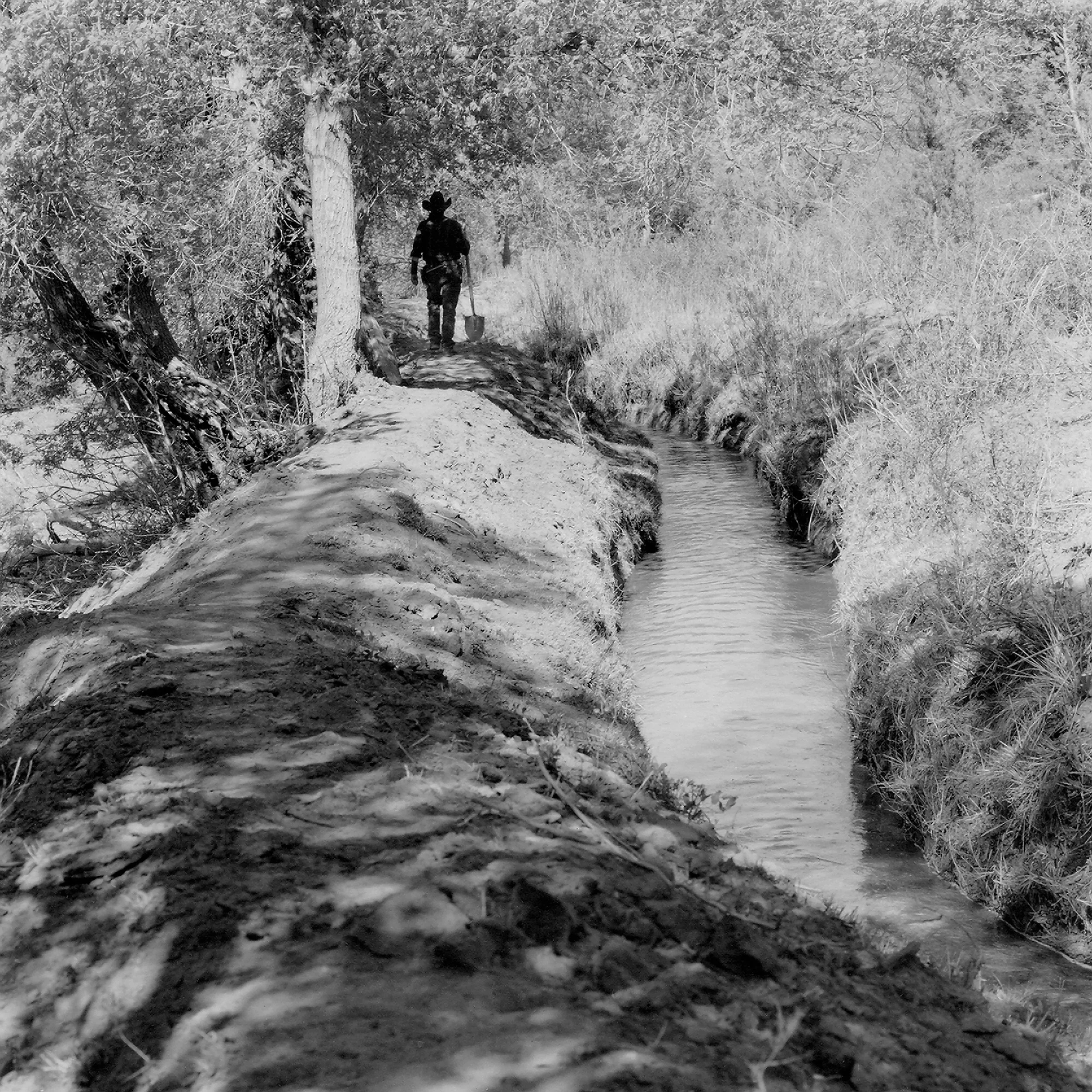
In a region of ghosted presences, the remote and tiny village of El Cerrito, New Mexico, situated at a triple oxbow of the Pecos River, has endured through centuries. These photographs are from a larger survey presenting a village life portrait framed by interdependence on the water from an ancient, hand-crafted gravity flow irrigation system known as an acequia. No one remembers hearing of its origin, leading to speculation that it was created by Indigenous peoples who farmed along the Pecos long before the Spanish entrada. Others believe its existence can be ascribed, as many of New Mexico’s 700+ acequias, to the efforts of Franciscan priests, who when colonizing the region were directed to establish two vital elements of village life---water and faith. Quite likely a confluence of efforts set this channel that traces a mile plus embrace of the village.
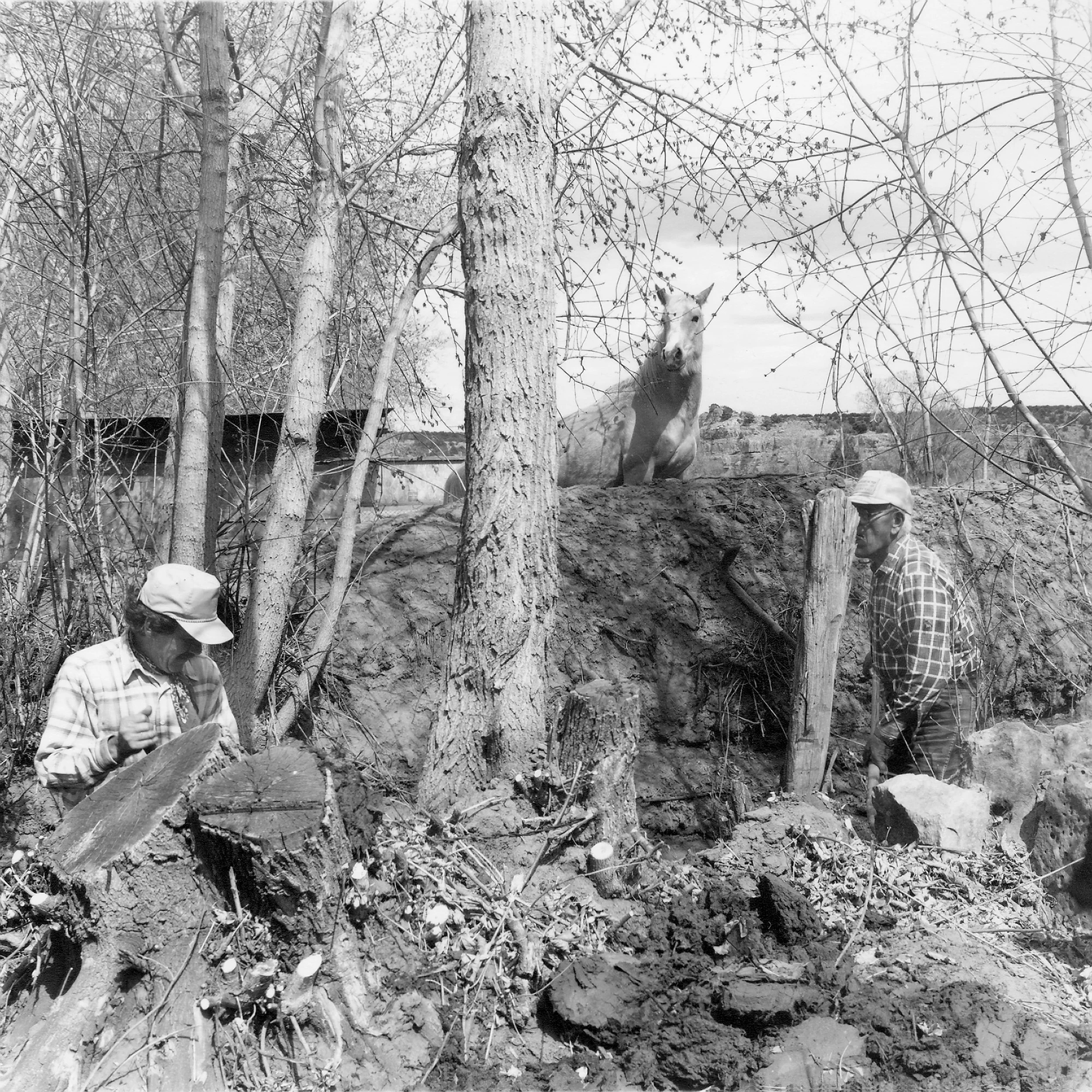
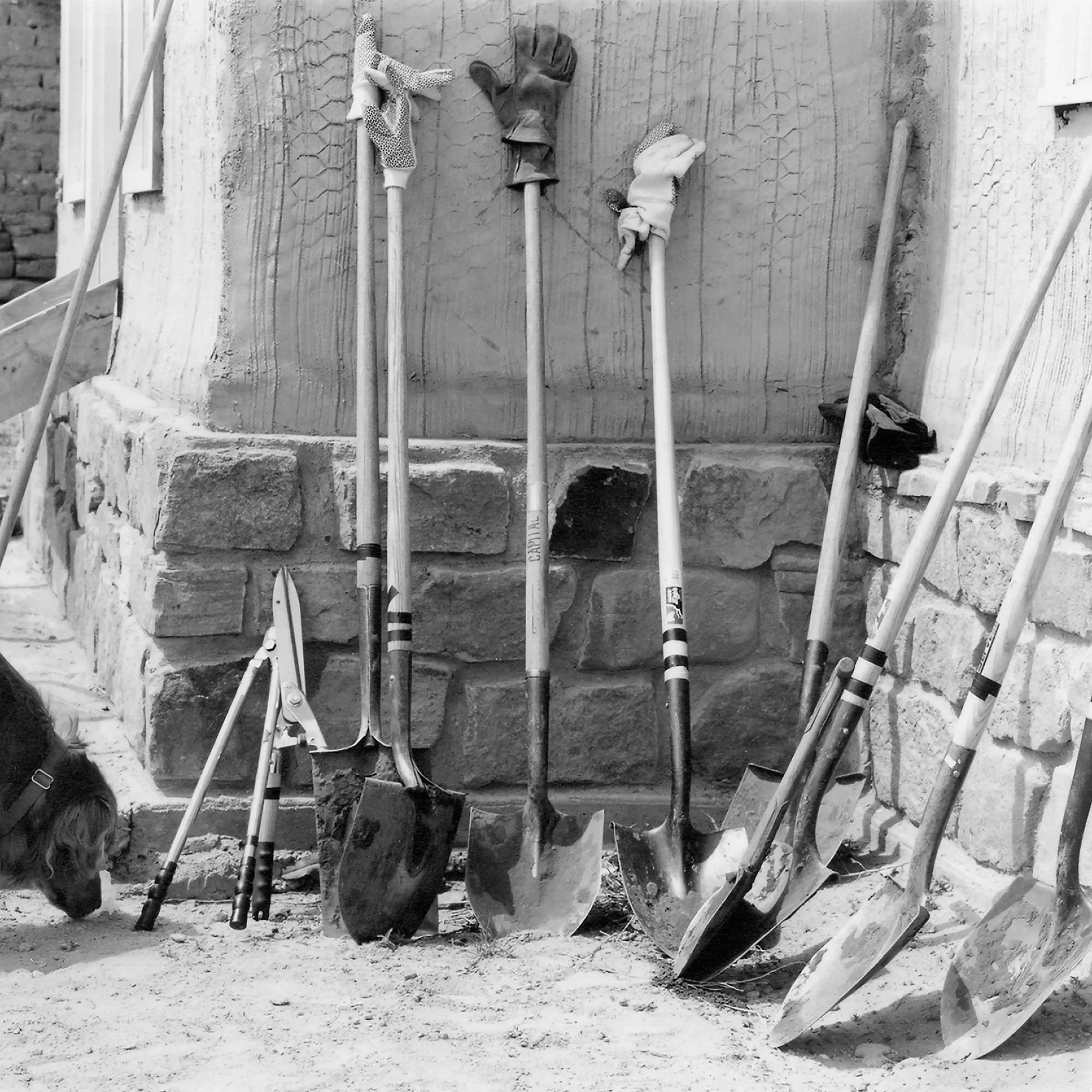
This arid farming watering method originated in the Indus Valley, was developed across North Africa, brought to Spain by the Moors during their seven-century occupation, and then carried to the Americas. Acequia also refers to a self-governing association of users that honors water as a community resource rather than a commodity.This is anchored in the Islamic Law of Thirst which ordains that all beings have unfettered access to water; that it never be hoarded or sold. Repartimiento, the sharing in times of both abundance and scarcity, is a vital tenet of acequias as a cultural commons with water rights attached to the land, rather than to individuals. As parciantes, acequia members hold these water rights and elect a mayordomo as caretaker to oversee operation throughout the year and during the annual spring cleaning, the limpia, as portrayed here. For generations parciantes have shared the responsibility of maintaining a waterway that feeds their families, orchards, gardens, fields, and livestock. While recharging watersheds, acequiasalso provide a rich riparian zone for wildlife, shade trees, and native plants, many of which are used in traditional medicines.
Seeing the universal in the personal, these photographs offer insight into cooperative perseverance as a model redress to our divisive times. With the availability of water being a defining issue of this century, monetary pressures are strong to tempt sale and transfer of rights for urban development needs or capitalist speculation. Doing so would effectively sever ties of the water to the land; a deeply cherished cultural anchor of this region’s agrarian communities. In resisting, villagers help ensure the vitality of the Southwest’s oldest extant water system while reinforcing the universal truism:
El agua es la vida. Water is life.
Photographer Sharon Stewart has extensively photographed the economic, social,familial, and religious influences that define the cultural landscape of Northern New Mexico including a long form exploration of its acequia culture and more recently, the continuing aftereffects of the 2022 Hermit’s Peak + Calf Canyon Fire. She lives in the the Mora Valley mountain village of Chacón. These photographs from the portfolio:
El Agua es La Vida: A Village Life Portrait can be viewed at: https://www.sharonstewartphotography.net