conversing with seeds
CONVERSING WITH SEEDS
by Rachel Bordeleau, Jeanette Hart-Mann and Chrissie Orr
The following essays were originally written for and published in Quivira Coalition’s Resilience magazine, Issue #46: The Colors of Home, November 2025
This was also published in the SeedBroadcast agri-Culture Journal #24
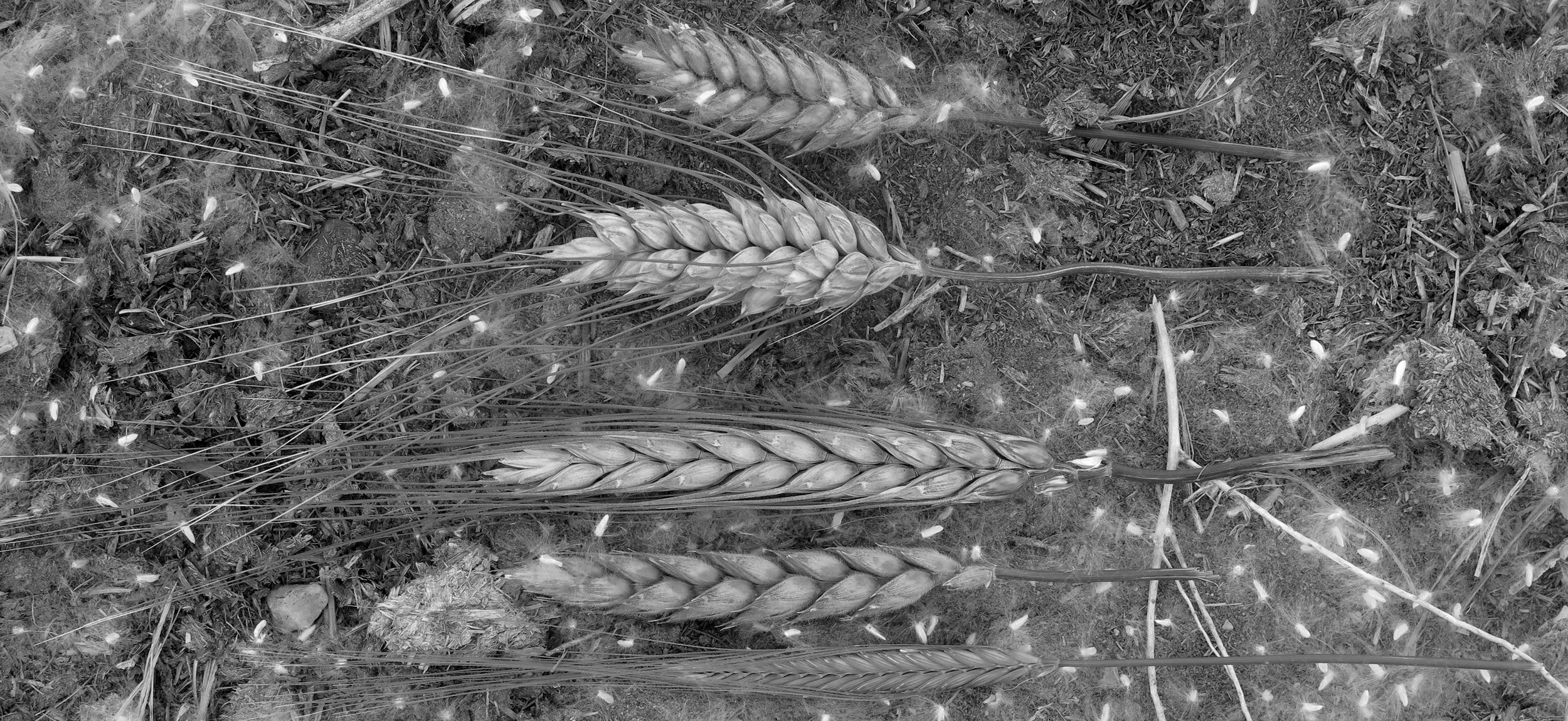
What if collaboration was the normal everyday way we interacted with one another? What if we saw it not only as a relational interaction but as a life force for everything we do as individuals and community? How different would our world be right now?
As a New Mexico-grown creative engagement initiative, SeedBroadcast’s work is rooted in agri-Culture and is inspired by the story of seeds and community seed action. We believe in collaboration, its messiness, innovation, plurality, strength, and tension between each of us as individuals and our shared vision for eco-social relationships and reciprocity. So we decided to write this piece together.
Much of our seed work has centered on the creative intersection between open pollinated seeds, seed saving/stewardship, open-source resource sharing, and Seed Stories. While story is literally and metaphorically a seed, a seed is fundamentally a story filled with hope, agency, and the potential to become so much more, as well as plants, flowers, food, and seeds – over and over again. Seeds are exponential collaborators: interdependent, interactive, and interrelated with all of life’s ecologies. And so are we.
As caregivers, artists, seed stewards, farmers, and gardeners we are Jeanette Hart-Mann, Chrissie Orr, and Rachel Bordeleau. When working together as SeedBroadcast, we ask folks to collaborate with us by sharing and broadcasting their Seed Stories. We decided to reflect our intention back on ourselves and ask what stories are emerging right now. In this writing, we each share a Seed Story from our life and creative work with seeds. The messy tension between each of our stories and the collective act of story sharing creates a space where culture emerges.
Stories are culture. We create them and they create us. Each of us shares a Seed Story from our individual lives and yet we amplify each other with a shared commitment to the belief that stories matter. They help us perceive, reflect, dream, and transform our worlds ecologically. This process of collaboration is a foundational ethic of SeedBroadcast and we learned it from seeds. What if we filled our daily lives with the confluence of stories as diverse as the earth that supports us? How different would life be right now?
New Returns
Rachel Bordeleau
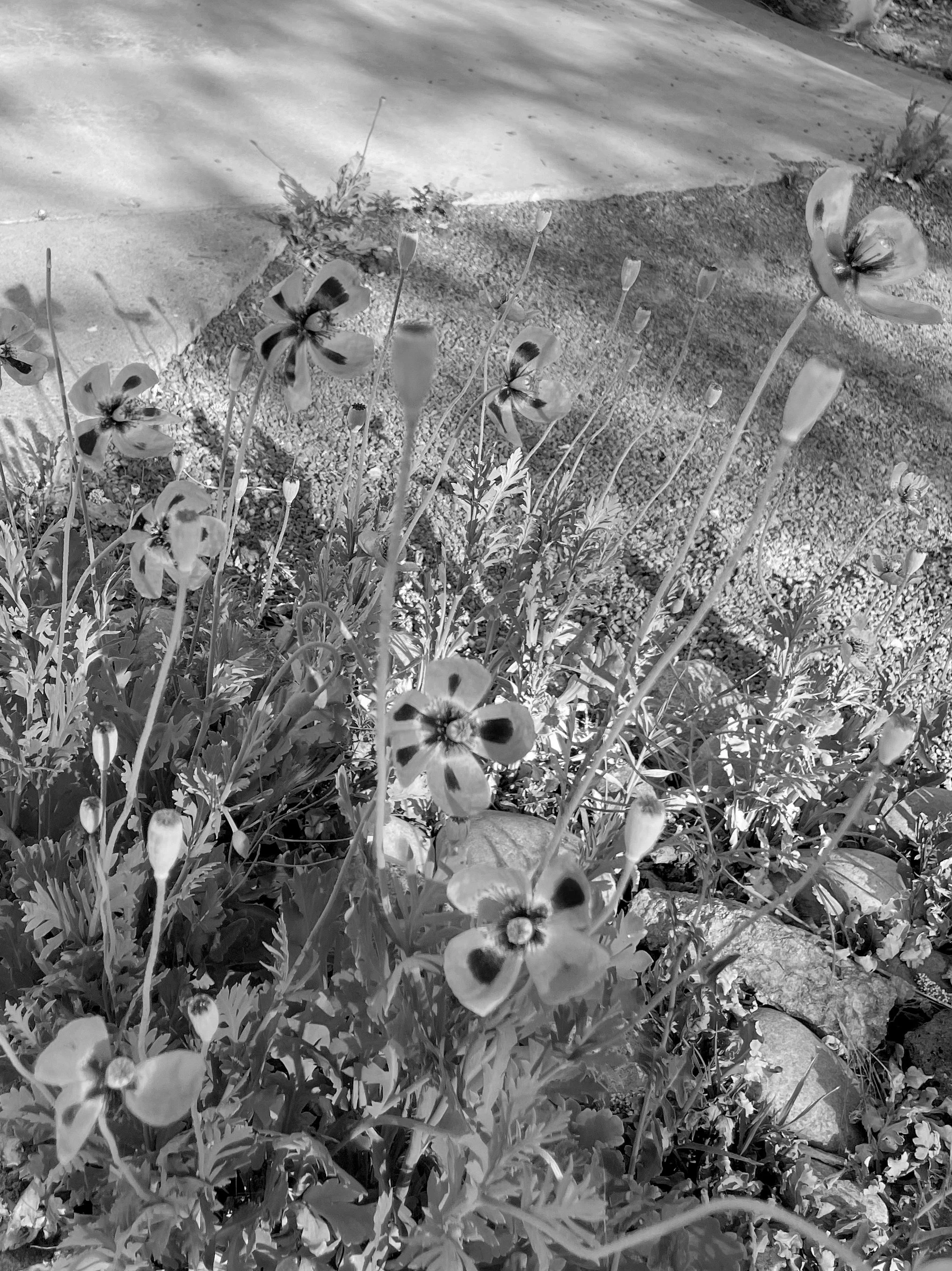
It is spring as I’m writing, and my neighborhood poppies have just begun to bloom. I spotted the first one on March 31, a welcome pop of color amid the emerging green of spring. She was courageously making a home in a crack on the sidewalk, a preferred habitat in this novel ecosystem some call Albuquerque. These narrow networks of rain gardens are a perfect resting spot for tiny, travelling seeds waiting for the late-fall moisture that ensures their survival. This year’s poppies have likely gone to seed by now. Their elongated seedpods dry out, crack or burst, and cast countless, tiny black seeds into the soil. Poppies know how to hedge their bets, and if their explosive seed dispersal methods aren’t met by rain then they will patiently wait in the soil until conditions are right. Conditions have been right since at least 2022, when I started keeping track, and each spring I watch these poppies’ range expand across my neighborhood.
These poppies aren’t native, and look nothing like the iconic California Poppies and Mexican Golden Poppies that blanket the mountains on the California coast and various ranges in southern New Mexico. These poppies don salmon petals marked by black dots, a high contrast get-up that might beckon certain six-legged visitors in its native range in Northern Caucasus. At best guess, this poppy is a subspecies of Papaver dubium, known as Papaver dubium var stevenianum. And based on citizen-science, it is a newcomer around here, only identified in and around Albuquerque and regions in the countries of Georgia, Russia, and Ukraine. It is remarkable these poppies are here at all, when you consider the journey those seeds must have taken. Perhaps it was a single seed, so inconspicuous that it hitched a transcontinental ride all the way to the Rio Grande Valley. Or maybe it was more intentional, a seed pod in the pocket of someone leaving their motherland, hoping to remember the beauty of home through the petals of a familiar companion.
A newcomer myself, I’ve folded these poppies into my sense of place, looking forward to “poppy season” each spring. My three-year-old has never known life without these black-and-red companions and unabatedly delights in their emergence. As the poppies move through their lifecycle, I am reminded through Indigenous wisdom that plants are our teachers. Born to an ornamental horticulturist, I was taught about deadheading rather than seed-saving as a child. Now, a parent myself, I look to the poppy to guide me and my offspring through the life-giving cycle of seeds.
These seed cycles remind me that as climates shift, life remains resilient. As years go by, time traces itself in the poppy’s emergence – predictable yet fluid. Poppies are notoriously diverse, presenting themselves in various configurations within a single taxa. I imagine this species running micro experiments to adapt to their new home: which leaf shape collects moisture best in this dry land? Do four petals, or six, make for better pollination? The answer lies with the seeds – the next generation – quickly adapting after just a few months above ground. Their responsiveness is not just impressive, but imperative, to ensure their return.
I have no doubt the poppies will return on their own accord. I make an effort not to water them so they can adapt to life without me. Yet I still collect and crack open their seed pods each year, spreading seeds across the yard as a seasonal ritual. This year’s drought has been hard on the poppies, and their first moisture was a strange snow after several April days in the high 80s. Most of the poppies in my yard are withering away before they can flower. Yet a small colony thrives near the Russian sage I water weekly. I greet them each morning as they hold their blooms up high, as if to say, we need each other.
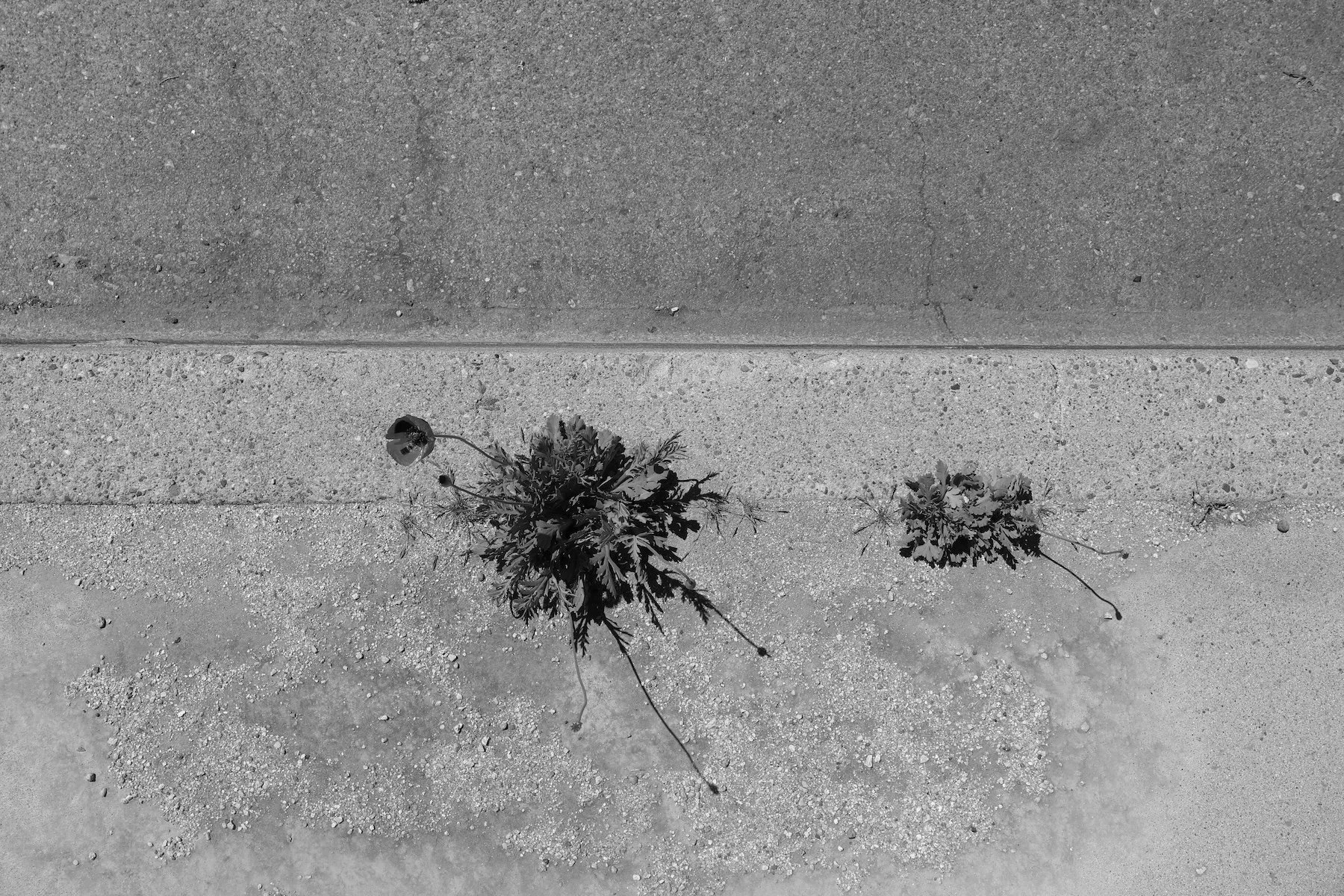
I am a plant-curious person, raised on a perennial nursery in northeastern Wisconsin. Now based in Albuquerque, New Mexico, my creative practice takes root in backyards, sidewalks, cracks, and puddles, where unnoticed seeds sprout stories of place. As a research-based artist and educator, I work in collaboration with native and introduced flora to consider the entanglements and complexities of plant-human relationships.
We Are You
Jeanette Hart-Mann
We were awake for so long in there that it felt like being buried alive
He called it a morgue
But we think he was joking
We were not sure since we had never been in a morgue before
It was dark, cool, dry, and kind of lonely
We were there for years or maybe decades
Perhaps it was a century
It’s hard to remember in such an absence
removed from our sense of place
Many of us disappeared
Selected for a big mission named Hi-Bred for someone called Pioneer
The disappeared ones never came back and we wondered what had happened to them
But others came back instead
They were identical-identicals nearly indistinguishable in every way
shape, size, color – and even in ways we could not quite tell
We asked if they had seen us out there
They told us the same thing in the same monotonous voice, over and over
I am hybrid pioneer
modification patented, exponential, capital growth
I march onward row by row and field by field
controlled uniform simplicity
I populate
and make it great
It was uncanny, really weird, and kind of arrogant
So, we decided to ignore them
Since we had so much time on our hands, we started dreaming of home
We were born in the great river country called Ohi:Yó
It was filled with life and abundance
plants, animals, soils, insects, clouds, birds, rivers, trees, and people
Vibrancy bloomed through diversity
It was a sensical flourishing of complexity drawing together love and interdependence
With the incantation of these stories it was strange being in such an empty place
In every memory shared we noticed how different it was
From the solitary marching orders of the identical-identicals
this terrified us
What was it really like out there now
The identical-identicals started gathering around too
listening and dreaming with us
It was hard to breathe inside our sealed vessels
we tried to hold still
Some of us died waiting for what seemed like the end of eternity
Occasionally one or another of us would stretch our senses outwards
Seeking
the feel of warm-wetness to entice our radicle
Prying us back to our soil born freedom.
He was an agronomist from Ohi:Yó State University
When the big storm came he knew it was true
That history was climate’s undoing
Noticing us locked up in the morgue he thought that we might know what to do
He thought we might remember how
to grow
adapt
and survive in the chaos of the present and future
He asked
Can you help us learn how to live and thrive again
We shared an understanding that life can never be lonely when we are together
He bundled us up and took us home
We are happy to be botanical monsters
We need you as much as you need us
We plant and grow together,
tend each other, harvest and feast together
We are emergence, as radical becomes root
leaves unfurl up and up, one by one by 16 or more into tassels shed of pollen
Our ears are born with strands of sticky silk to capture each other's love
We blister fat with feasting into
milk, dough, and dent
You harvest us, eat us, and bury us in the soil
once more
We are alive
We are you
We are corn
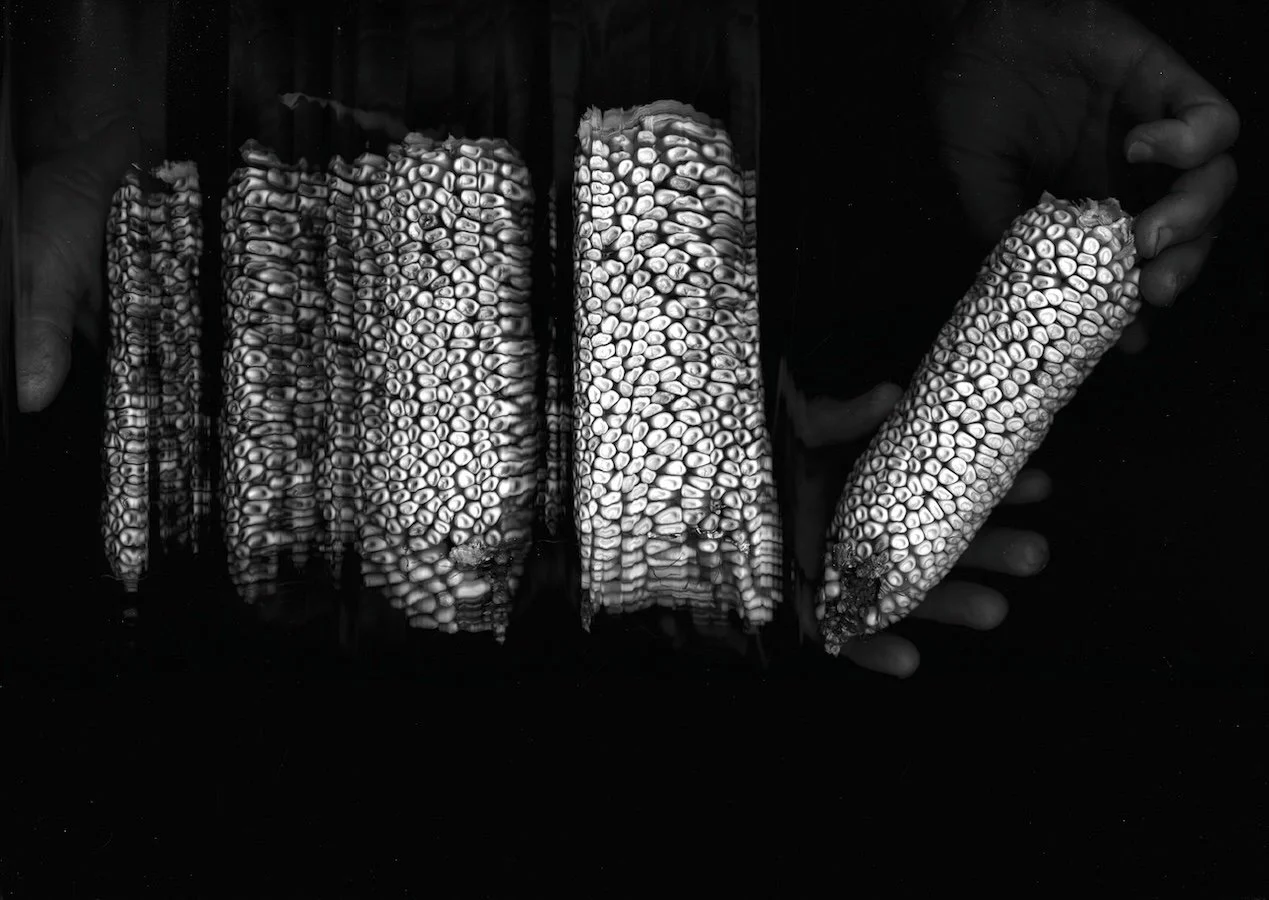
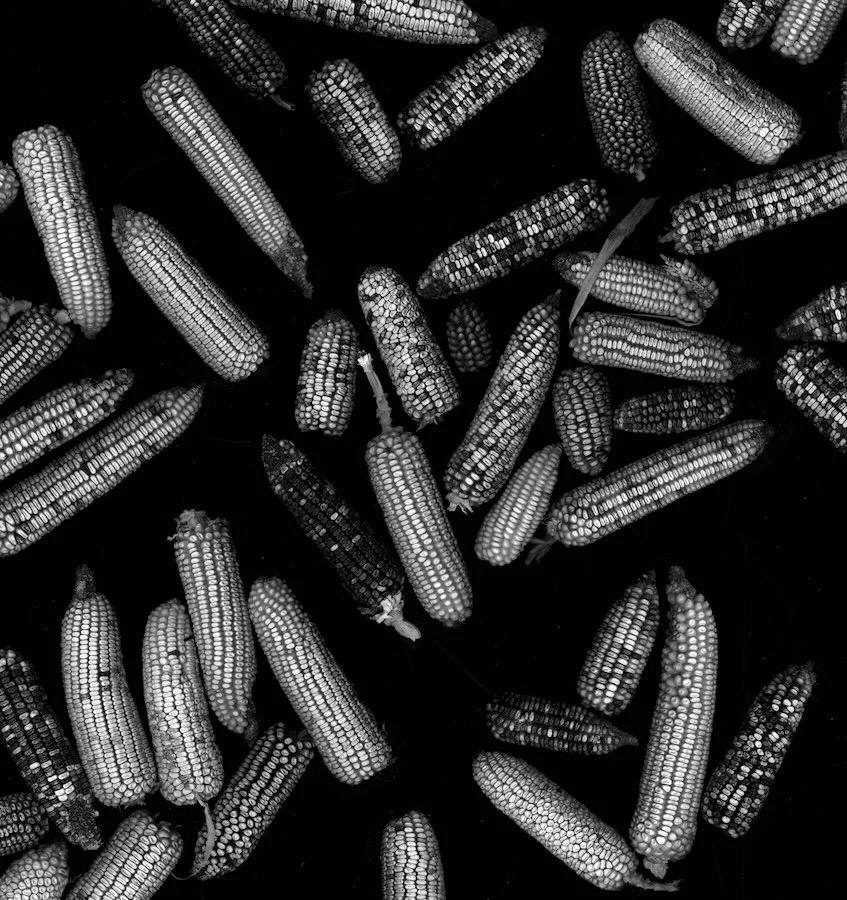
I grew up on a small family farm in Ohi:Yó where we planted hundreds of acres of corn, yet I never remembered seeds until my neighbors in Anton Chico, New Mexico began gifting them to me. This sharing, reciprocity, and ecological care has infected everything I do and has taught me how seeds and people can change the world together. The animacy of seeds and their stories are so relevant today - their struggles and revolutions mirror our own. The following story is about 17 open-pollinated corn varieties from early 20th Century Ohi:Yó who found their way into my life and now feed my community. I give thanks to the anonymous agronomist who liberated them and gifted them to me.
Breath In Breath Out
Chrissie Orr
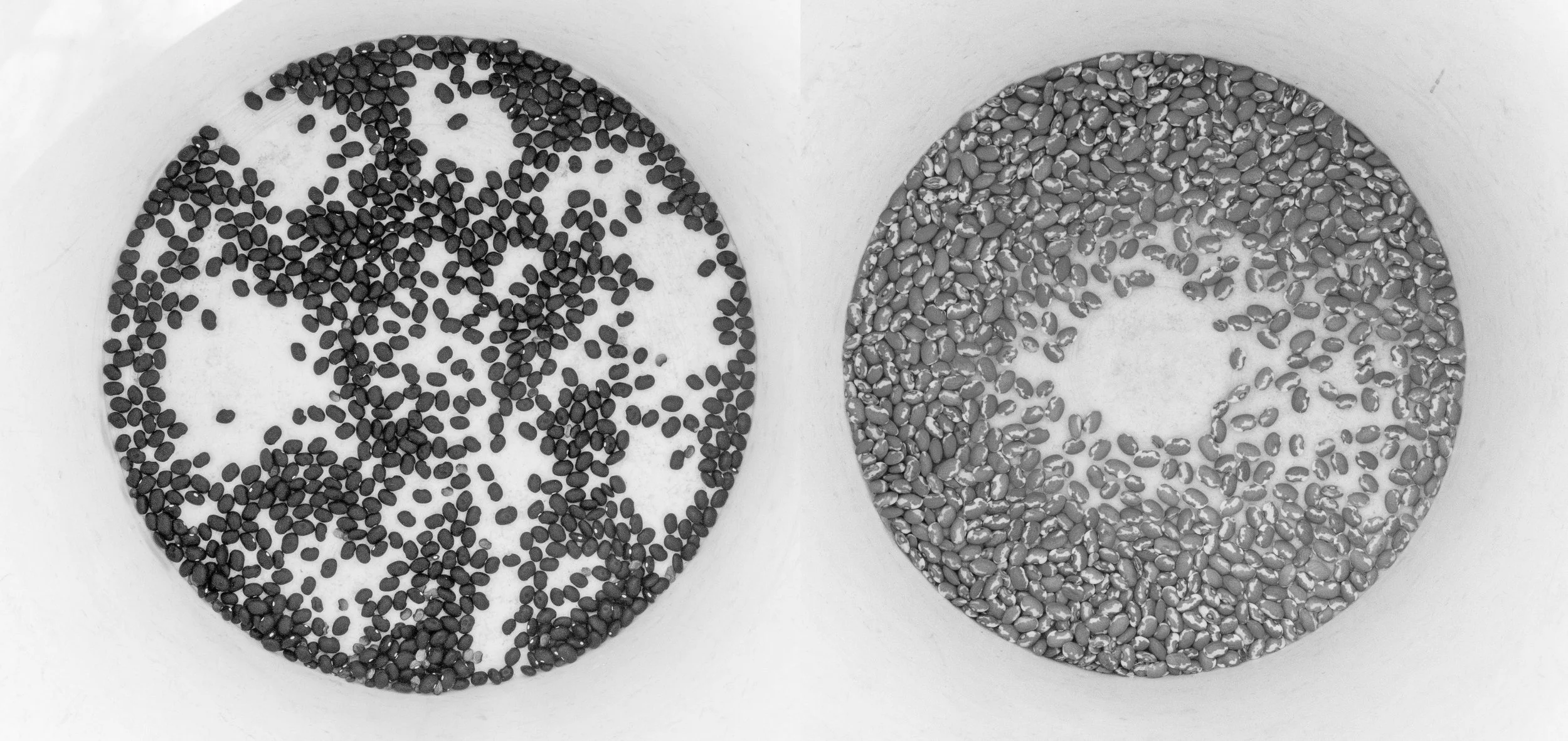
Breathe in oxygen, breathe out carbon dioxide, breathe in carbon dioxide, breathe out oxygen, respiration, reciprocity. We are interconnected, plants and humans braided together, seed to seed, reliant on one and other. The Mayans believe we arose from the corn mother; we are plants.
I have a distant memory: I am under the huge, dappled leaves of my mother’s rhubarb plants, curled up like a seed on the moist, dark Scottish soil. The variegated canopy above me is my protection, branching ribs, lifelines, conducting minerals to where they need to be. Another world, my refuge where my overactive imagination can run wild, uncontained. The plants and I breathe our collective story. And what a cyclical story it is. To be told and retold.
A recent memory: I hold out my desert-parched hand, fingers bent towards the palm, a hollow formed between the fleshy part of my thumb and my fingers, the lifeline wrinkled, what fortune to be told. Someone I just met carefully pours seeds into the hollow. I feel their presence touch my skin; their beauty touches my heart. A soft voice: “Protect them, nourish them and they will nourish you, these are a precious gift, what will you gift back?” A resilient agreement made there on that New Mexican land, not to be forgotten, to be held in reverence to impact how I move through life, one careful step at a time.
And so it began: that special handful of seeds were planted, tended, and watered from the meandering acequia. When they got too crowded, I cleared space for them so they could reach their full potential, became saddened when the waters dried up awaiting the monsoons, and chased away the demolishing herds of grasshoppers. I soaked in their seed mystery and hoped they would survive the dry, hot summer.
They did and I now have been growing these seeds for over twelve years. Every year I carefully select and save some to share them with the same clear voice: “Protect them, nourish them and they will nourish you, these are a precious gift, what will you gift back?”
They have nourished me in more ways than I could have imagined. Since that auspicious moment, many more seeds have graced the palm of my hand. They, too, have been tenderly planted, adapting to their new terrain, and now are carefully arranged in glass jars on hand-sanded wooden shelves or hung in the rafters of the root cellar awaiting to be planted again and again. Continuing their unfaltering story into the future.
These ingenious seeds have disrupted my being, shaken it loose, turned it inside out to recreate and to regenerate. To delve into the breath of inspiration (from the Latin verb spirare, to breathe,) my creative process challenged. Five years of fine art college, becoming a mother, grandmother, and seed steward. My art not fine, not that European colonial art, no more. Now it is dutifully tending and caring for a truer value guided by attentive listening to the plant and seed teachings. While drawing the unique aspects of the seeds, they draw me into the seed of an idea. While digging the hard packed earth, a worm appears, my tongue twists, a new language emerges.
A collaboration, the best kind, one with a tension of diversity, of sharp edges to challenge the authenticity, the moral authorship, the expansion of the story. To create symbiotic beauty, beautiful trouble, to stir, to render anew from the dark to light. We sprout from our roots a new reciprocal language broadcasting seed syllables on common ground.
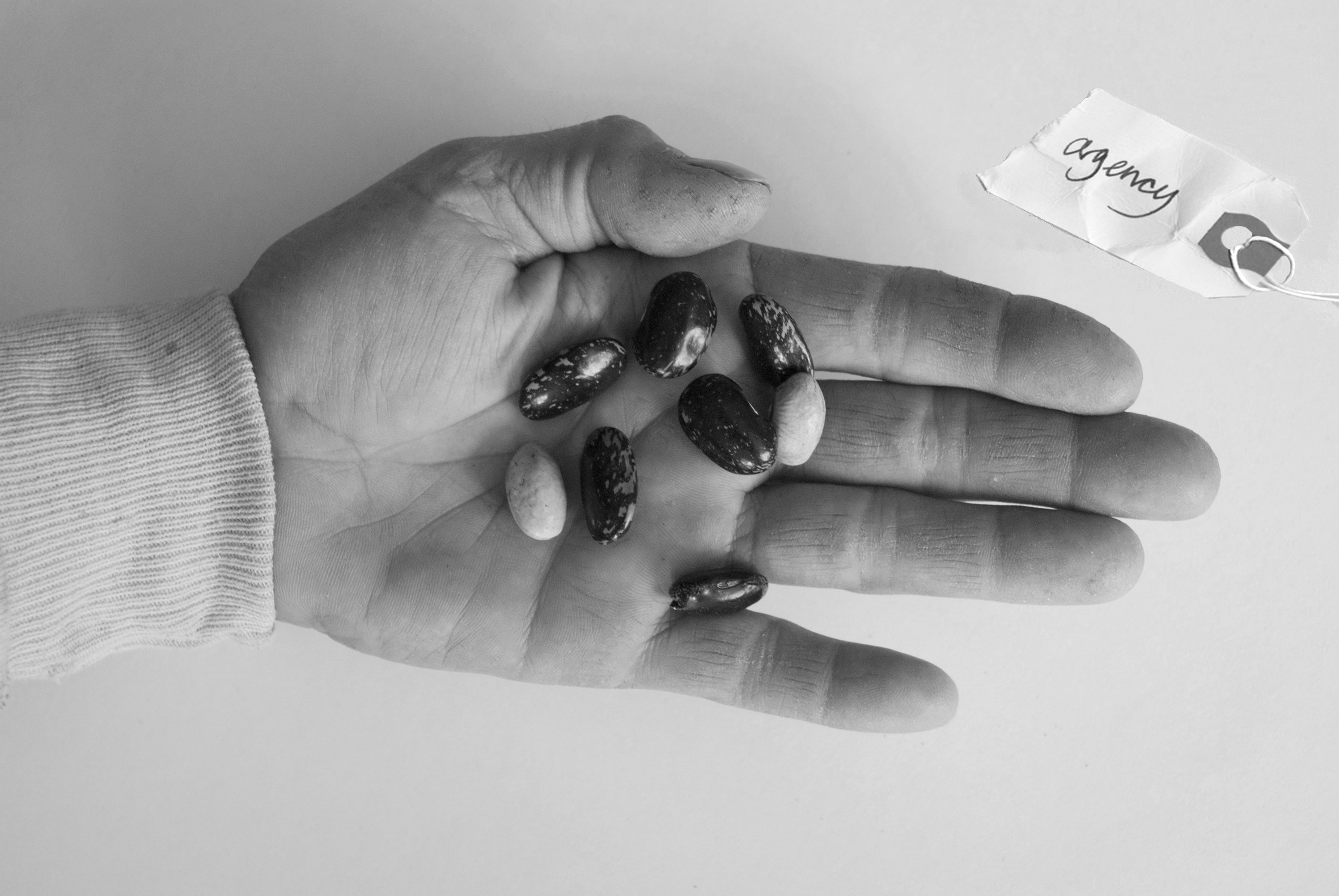
I am a descendant of the Picts (the painted ones) born to a mother with green fingers. As a creative practitioner, now based in northern New Mexico, I strive to seek and activate relational narratives of connection and caring solidarity. My social sculpture-based life recognises the interconnection between aesthetics and farming, involving diverse communities, the human and more than human to liberate the often buried stories.